
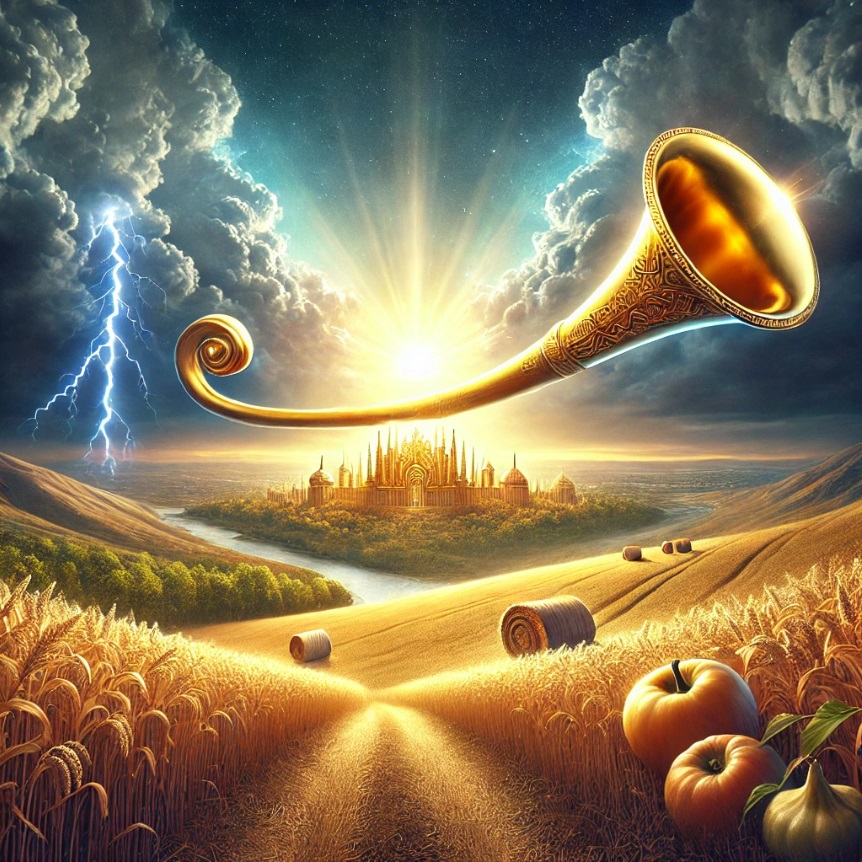
The word “feast” in the Bible comes from the Hebrew word moed, meaning “appointed times.” These are divinely set dates established by God, pointing to miraculous events in His redemptive plan. Among the seven appointed times, the first four have already been fulfilled with extraordinary precision, underscoring the significance of the final three. Understanding the prophetic nature of these feasts reveals a timeline that points toward God’s ultimate plan for humanity.
The First Four Feasts: Fulfilled in Succession
The first four appointed feasts include:
- Passover: Fulfilled by the crucifixion of Jesus, the Lamb of God.
- Unleavened Bread: Fulfilled by His burial, as He was the sinless bread of life.
- Firstfruits: Fulfilled by His resurrection, the first to rise from the dead to eternal life.
- Pentecost (Shavuot): Fulfilled 50 days later with the outpouring of the Holy Spirit, birthing the Church.
These feasts occurred in rapid succession, each building upon the previous one. Passover, Unleavened Bread, and Firstfruits were fulfilled within three days, and Pentecost followed just 50 days later. This pattern of precise fulfillment suggests a similar framework for the final three feasts.
The Final Three Feasts: A Sequential Fulfillment
The remaining three feasts are:
- Feast of Trumpets (Yom Teruah)
This feast signals the culmination of prophetic events. To many, the blowing of trumpets serves as a warning, heralding the end of the Great Tribulation. The seventh trumpet, as described in Revelation, is often associated with this feast. It announces the imminent arrival of God’s kingdom and the final judgment. - Day of Atonement (Yom Kippur)
Following the Feast of Trumpets, this solemn day represents the atonement for sin. At this stage, sins are judged, and the righteous are vindicated. This is a time of repentance and reconciliation, reflecting the ultimate fulfillment of humanity’s redemption. - Feast of Tabernacles (Sukkot)
This feast symbolizes God dwelling with His people. It points to the final harvest, where the wheat (God’s faithful) is gathered into His eternal kingdom, and the tares (the wicked) are separated for destruction. This is the culmination of God’s plan, where He tabernacles with His people in the New Heaven and New Earth.
The Prophetic Timing: The Trumpet Comes After the Abomination of Desolation
Some may wonder why the Feast of Trumpets is not mentioned explicitly by Jesus when He speaks of the signs of the end times. Instead, Jesus says in Matthew 24:15-16:
“So when you see the abomination of desolation spoken of by the prophet Daniel, standing in the holy place… then let those who are in Judea flee to the mountains.”
If the next major prophetic event were the blowing of the trumpet, why wouldn’t Jesus instruct His followers to look for it? This omission highlights a critical aspect of the prophetic timeline: the trumpet comes after the abomination of desolation.
The abomination of desolation, as described in Daniel 9:27, 11:31, and 12:11, is a pivotal event during the Great Tribulation, marking the desecration of the holy place and the great falling away. It serves as a signal for the faithful to take action and endure the tribulation period. Only after this—and the events immediately following—does the trumpet blow.
The sequence is crucial:
- The Abomination of Desolation serves as the warning to flee and endure tribulation.
- The Great Tribulation unfolds for three and a half years.
- The blowing of the trumpet signals the end of the Great Tribulation and the final steps toward redemption.
By this understanding, the trumpet blowing at the Feast of Trumpets cannot precede the abomination but instead follows it, aligning with the prophetic sequence laid out in Matthew 24 and Revelation.
The Final Harvest: The Gathering of Wheat and Tares
The agricultural imagery of the feasts points to the final harvest of souls. As Jesus explained in the parable of the wheat and tares (Matthew 13:24–30, 36–43), the weeds (tares) are gathered and burned first, followed by the gathering of the wheat into the barn. This sequence aligns with the order of events tied to the final three feasts:
- The trumpet blows, signaling that the harvest is ready.
- The wicked are removed in judgment.
- The righteous are gathered into God’s eternal kingdom.
Conclusion: A Call to Watchfulness and Understanding
Recognizing the prophetic importance of the appointed times draws us closer to understanding God’s plan. The fulfillment of the final three feasts will mark the conclusion of the Great Tribulation, the ultimate atonement for sin, and the eternal dwelling of God with His people.
Jesus’s words in Matthew 24 highlight the importance of discerning the abomination of desolation as a pivotal sign of the end times. Only after this event does the trumpet blow, signaling the next steps in God’s redemptive plan. These feasts are more than historical celebrations; they are divine appointments pointing to the greatest miracles yet to come. As we anticipate their fulfillment, let us remain watchful, faithful, and ready for the sound of the trumpet that signals the culmination of God’s perfect plan.
 asathief.com